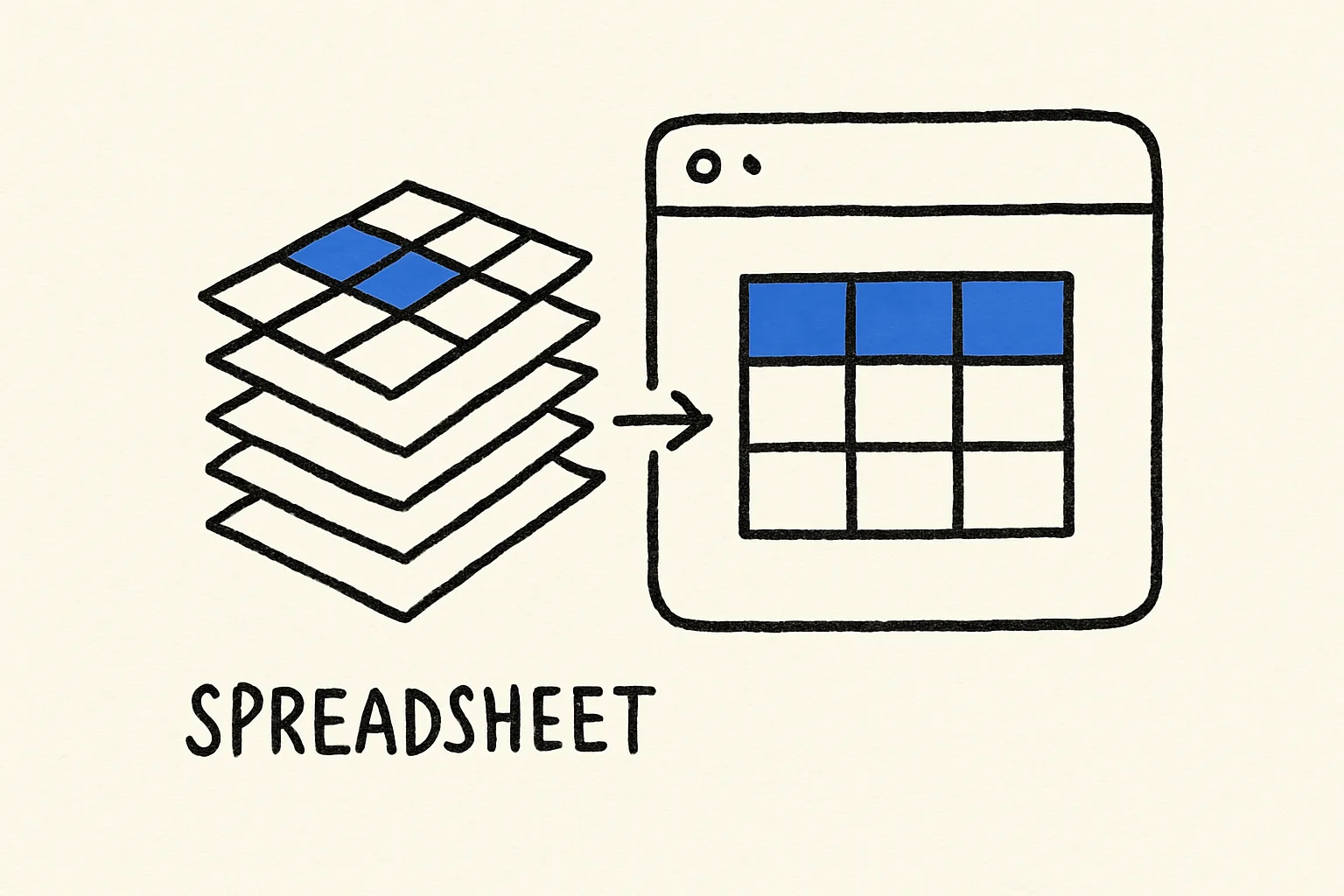
Most inventory starts in a spreadsheet, and the spreadsheet breaks the day two people update it at once or someone overwrites a formula. An inventory app fixes that by recording every movement instead of editing a number, so stock is always the sum of what actually happened.
What you're building
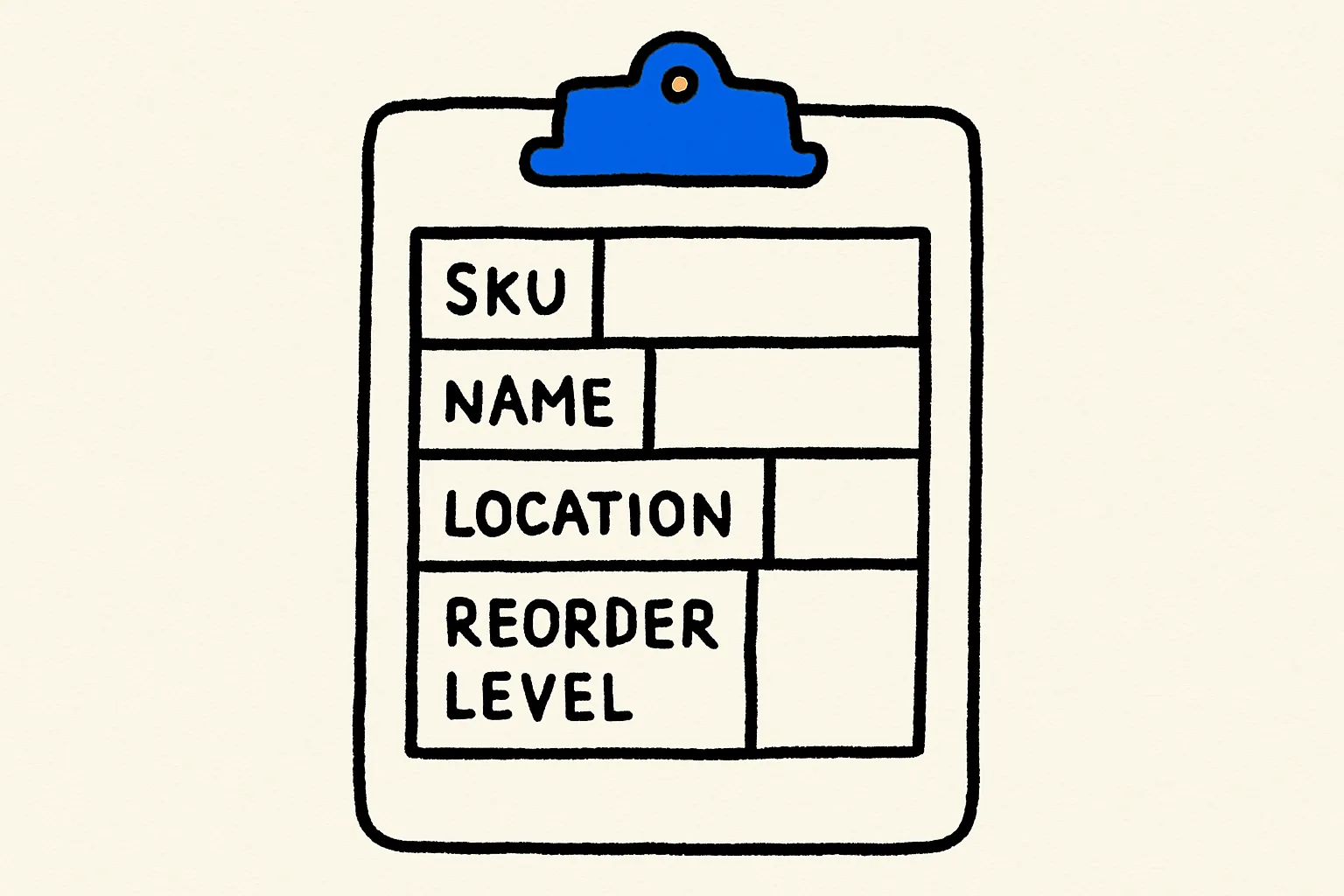
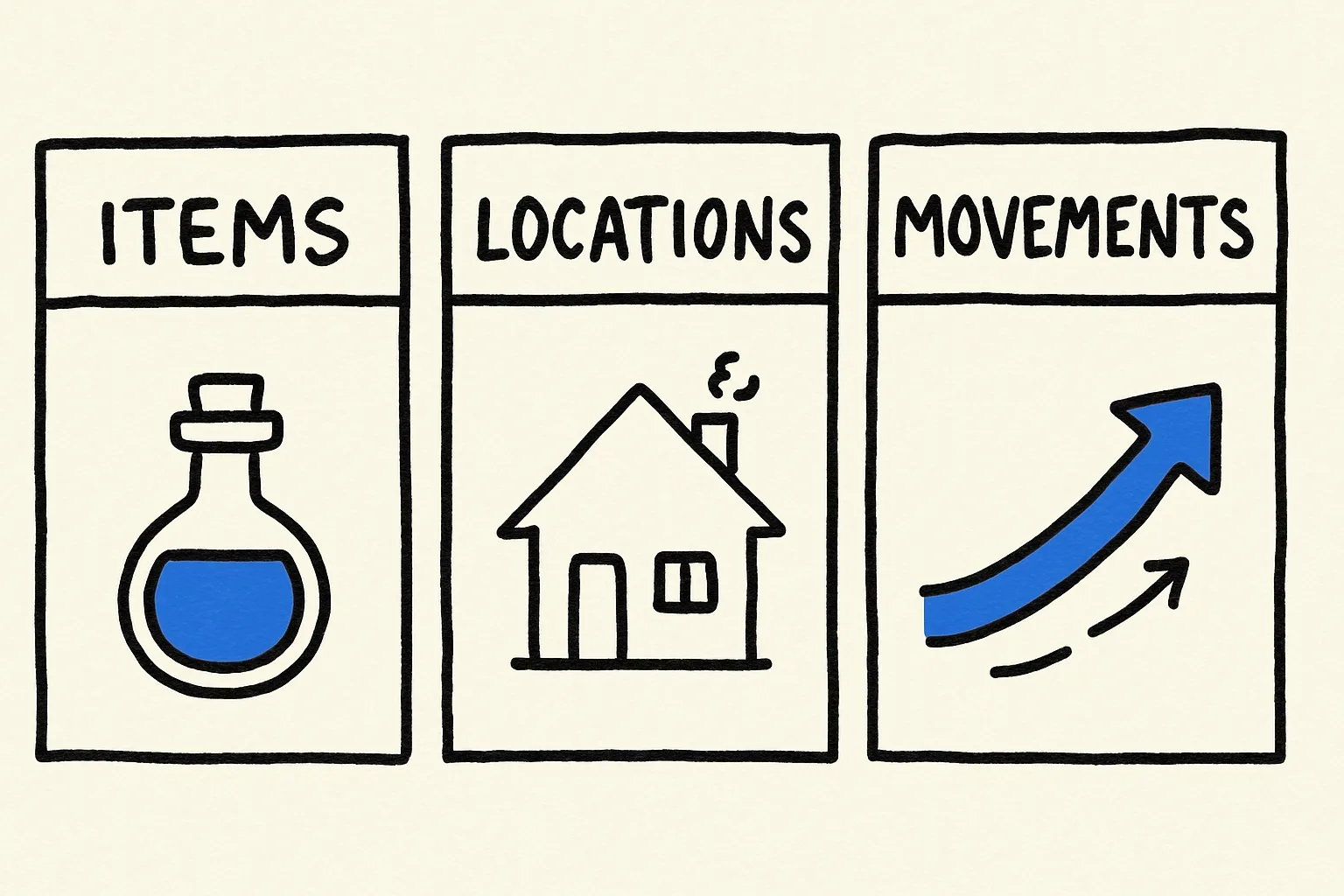
- Items with SKU, category, cost, reorder level and supplier
- Locations: shelves, rooms, sites
- Stock movements: every in, out and transfer, with who and why
- Current stock per item and location, calculated from the movements
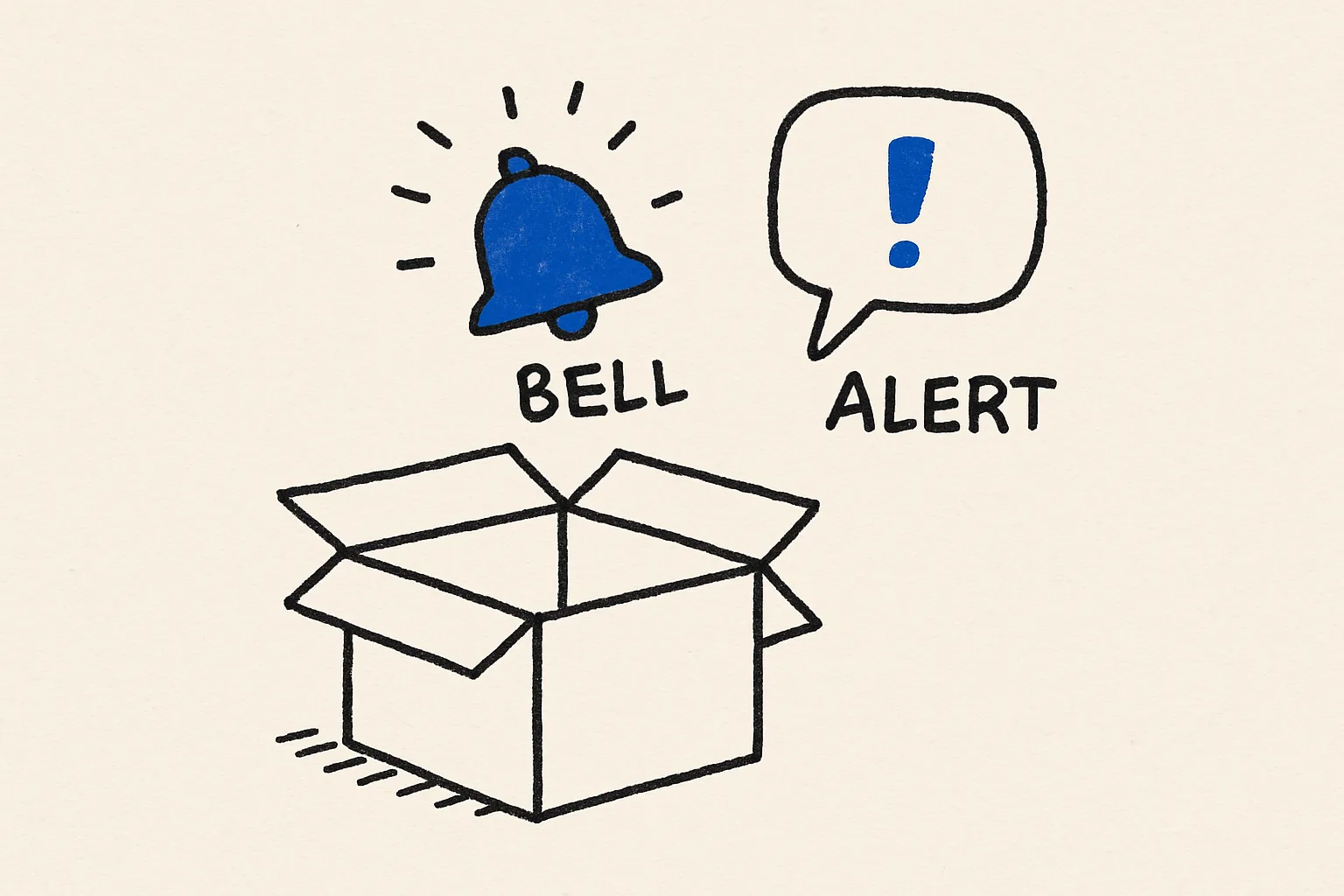
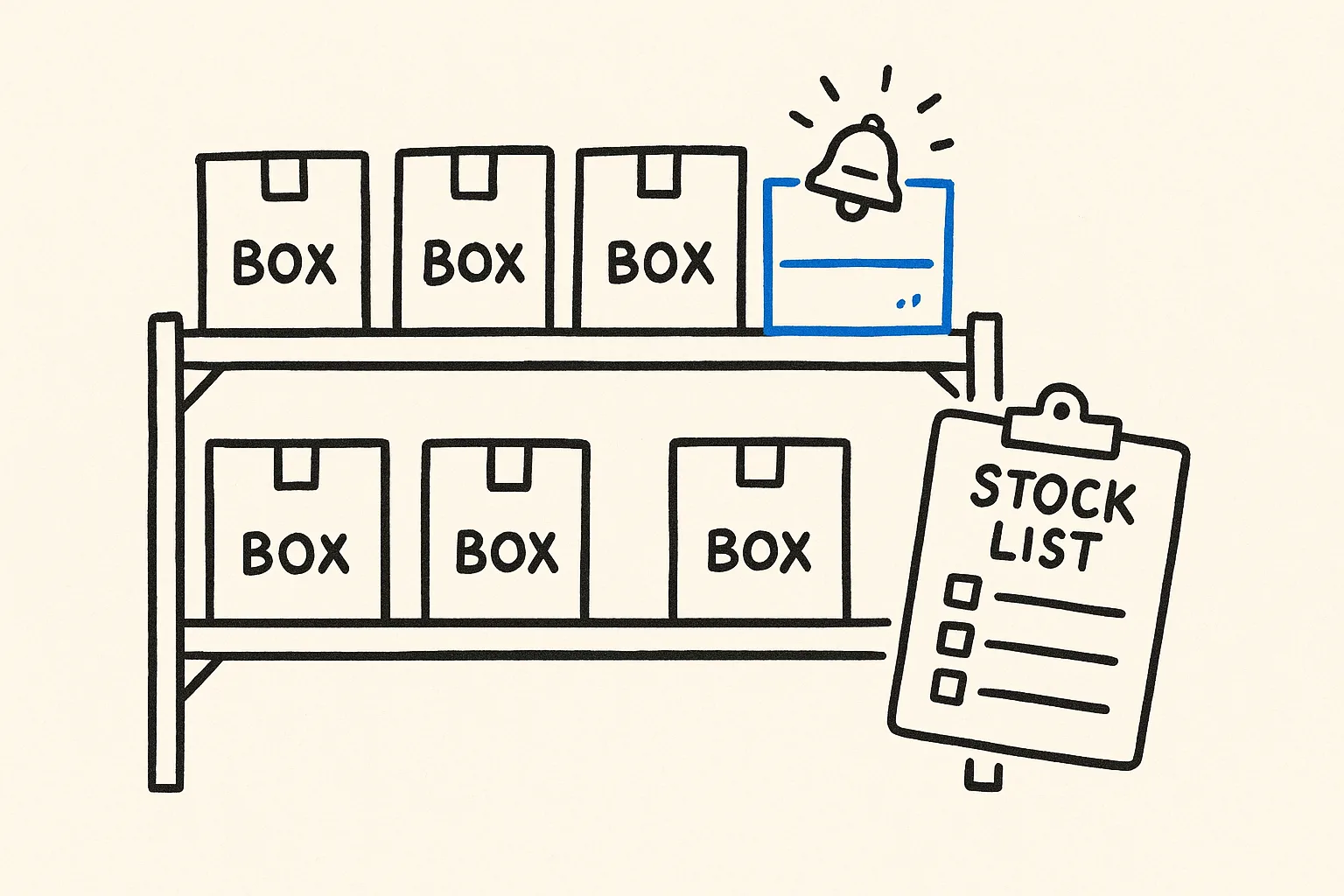
- Low-stock alerts posted to Slack or email
- An assistant that answers stock questions in plain English
Should you build one or buy one?
| Option | Good for | The catch |
|---|---|---|
| Spreadsheet | Under ~50 items, one person | No history; overwrites; no alerts |
| Inventory SaaS | Standard retail/warehouse | Per-user pricing; fields and workflow fixed |
| Build your own in Something | Your own fields, locations and rules | You describe the rules once |
Moving off a spreadsheet
Export your current sheet as CSV and ask the builder to import it as the starting stock. Each row becomes an item plus one opening "stock in" movement, so your history starts clean.
Mistakes to avoid
- Editing stock numbers directly. Record movements (in, out, transfer) and let stock be calculated. That's what makes the numbers trustworthy.
- Alerts nobody reads. One daily summary beats twenty instant pings. Start with the summary and add instant alerts only for critical items.
- Importing a messy sheet as-is. Clean duplicate SKUs and blank rows before the import; fixing them afterwards is slower.